7 types of digital marketing, explained in plain English
Quick answerThe 7 main types of digital marketing are SEO, local SEO and Google Business Profile, paid search ads, paid social ads, organic social media, email marketing, and content plus your website. Most small businesses don't need all seven at once; they start with a solid website and Google Business Profile, then add one or two channels that fit their budget and timeline.
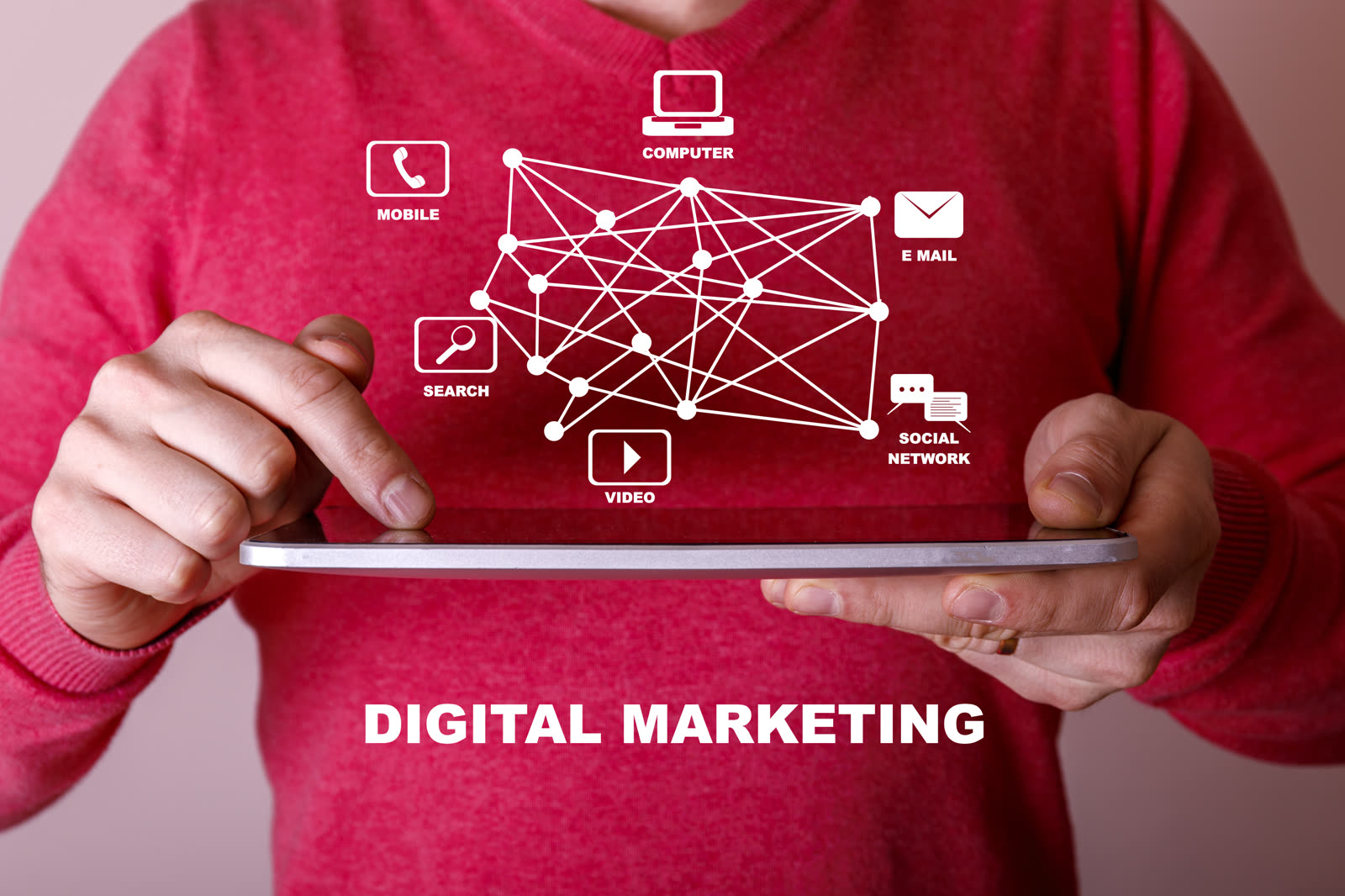
"Digital marketing" gets used like it's one thing. It isn't. It's a handful of different tools, each doing a different job, and the names get used interchangeably often enough that the differences get lost. Here are the 7 main types a local business actually needs to know, in plain language, and how they work together.
1. Search engine optimization (SEO)
What it is: the work of earning a spot in Google's regular, unpaid search results, so people find your business when they search for what you do.
What it's good for: a steady, lower-cost stream of customers over time. You don't pay per click, but it takes weeks and months to build, not days. Once you're ranking, you keep getting found without paying for each visit.
This is the foundation most of the other channels lean on. A site that ranks well and loads fast also converts better when someone clicks a paid ad or a social link. Learn more about search engine optimization.
2. Local SEO and your Google Business Profile
What it is: a close cousin of SEO, but specific to the map. This is the work of getting your business to show up in the "map pack" (the three listings with pins that appear above regular results) when someone nearby searches "near me" or your service plus your city.
What it's good for: almost any business with a physical location or a service area. Your Google Business Profile, your reviews, and consistent business information across the web all feed this. It's often the single highest-return thing a local business can do, and it doesn't cost anything to claim and fill out your profile completely.
3. Paid search ads (Google Ads / PPC)
What it is: the sponsored listings at the top of a Google search page. You bid on specific searches and pay each time someone clicks.
What it's good for: customers now. Turn a campaign on and you can be visible today; turn it off and the traffic stops immediately. It's the right tool when you need leads on a deadline, not when you're building something long-term. Think of it as renting visibility rather than owning it.
4. Paid social ads
What it is: sponsored posts on platforms like Facebook, Instagram, or TikTok, targeted by location, interests, or behavior rather than by search intent.
What it's good for: getting in front of people who aren't actively searching yet but fit your customer profile, plus retargeting people who already visited your site. It tends to work well for visually appealing products and services, and for building awareness in a specific area. Explore social media options for your business.
5. Organic social media
What it is: the free posts your business shares on social platforms, not boosted with ad spend.
What it's good for: staying visible to people who already know you, showing the personality behind your business, and building a bit of trust before someone becomes a customer. It rarely drives a flood of new leads on its own, but it's part of how a prospect checks you out before calling.
6. Email marketing
What it is: sending messages directly to people who've given you their email, whether that's past customers, newsletter subscribers, or leads who weren't ready to buy yet.
What it's good for: staying in front of people you already have a relationship with, at almost no cost per message. It's one of the best tools for turning a one-time customer into a repeat one, and for nudging a stalled lead back to life.
7. Content and your website
What it is: the actual pages, blog posts, and site itself: what happens after someone clicks any of the channels above.
What it's good for: everything else on this list depends on it. A clear, fast, mobile-friendly website that plainly says who you are, what you do, and how to reach you is what makes SEO rank, ads convert, and social clicks turn into customers instead of bounces.
How they fit together
None of these work in isolation. A typical setup for a local business looks like this:
- A solid website and a complete Google Business Profile as the foundation.
- Local SEO and organic SEO working in the background to build free traffic over time.
- Paid search ads turned on when you need leads on a timeline.
- Paid or organic social to build awareness and stay visible.
- Email marketing to keep past customers and warm leads coming back.
You don't need all seven running at once, especially early on. Most businesses start with the foundation (a website and Google Business Profile), add one growth channel that fits their budget and timeline, and layer in more as things pick up. Our full service list breaks down what each of these looks like in practice.
The honest part
No single channel is "the best" one. The right mix depends on your budget, your timeline, and what you're selling, so the useful question is which one fits your situation first.
If you're not sure where to start, tell us a bit about your business and we'll walk you through which of these makes sense for you right now, and which can wait.
Frequently asked questions
What's the difference between SEO and paid search ads?
SEO earns free placement in regular search results over weeks and months, while paid search ads like Google Ads are sponsored listings you pay for per click and can turn on or off instantly.
Do I need to use all 7 types of digital marketing?
No. Most local businesses start with a website and Google Business Profile as the foundation, then add one growth channel that fits their budget, layering in more as things pick up.
Which type of digital marketing works best for a local business?
Local SEO and a complete Google Business Profile are often the highest-return starting point for a business with a physical location or service area, since they get you into local search and map results without an ongoing ad spend.