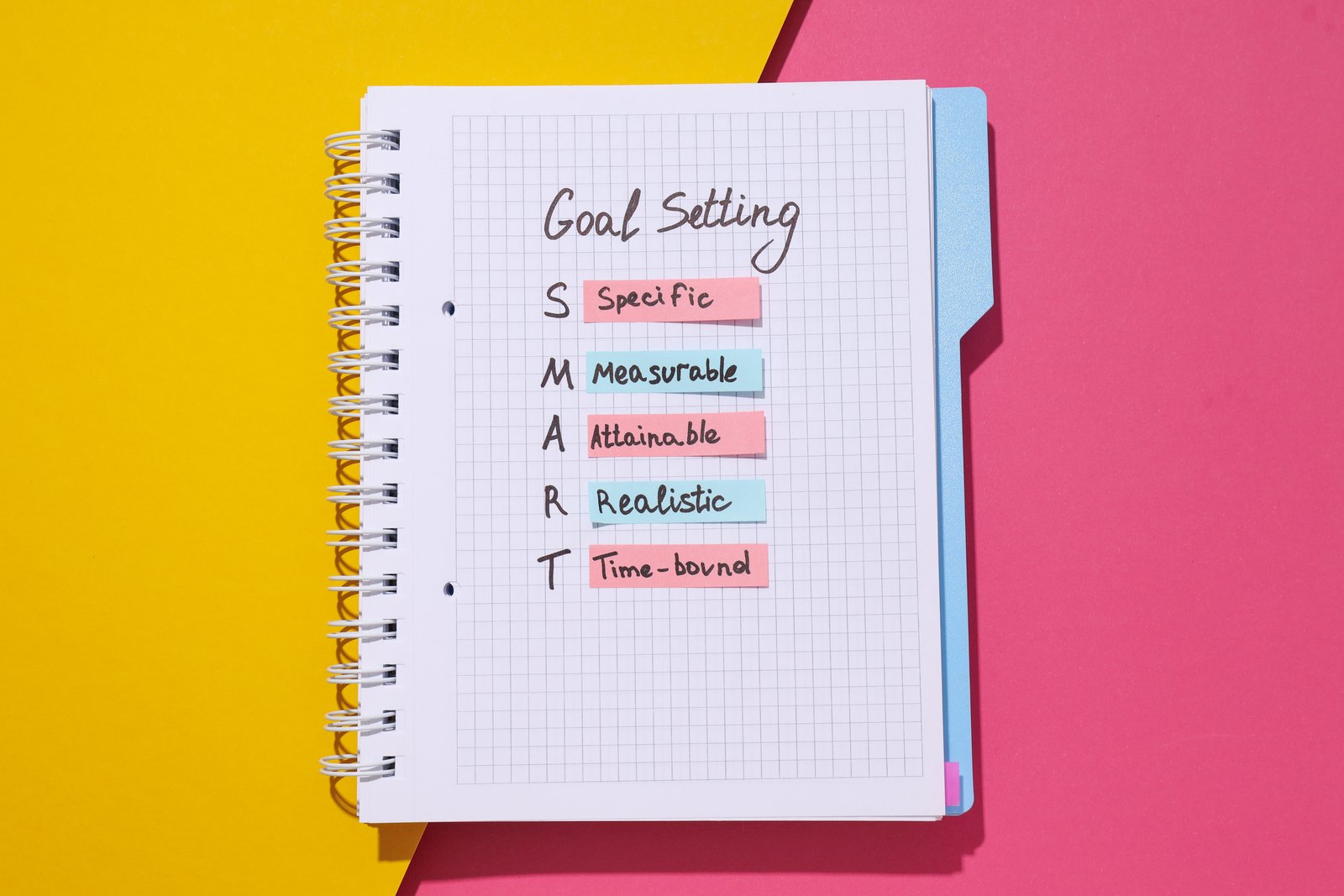
How to set marketing goals you'll actually hit
Quick answerPick one real business outcome, like booked customers or leads, attach a specific number and a timeframe, and size it to what your business is already doing. Then track it on a simple, regular schedule so you know if you're on pace instead of finding out at the end of the year.
"Get more customers" is the goal almost every small business owner starts with, and it's also why so much marketing effort fizzles out by spring. A goal that vague doesn't tell you what to actually do on a Tuesday afternoon, and it doesn't tell you whether last month worked.
The good news is that turning it into something specific is easier than it sounds. You don't need a marketing degree or a fancy dashboard. You need a number, a timeframe, and a simple way to check your own progress along the way.
Start with the outcome, not the activity
Most marketing goals start in the wrong place. "Post more on Instagram." "Run some ads." "Get on Google more." Those are activities. They describe things you'll do, not things that will actually change in your business.
A real goal describes an outcome. Instead of "post more," try "book 10 new appointments this month." Instead of "run ads," try "bring in 15 new customers from the OKC area by the end of the quarter." The posting and the ads are how you get there. Booked appointments and new customers are the goal itself. Once you flip that order, the rest gets a lot easier to plan around.
What a specific goal actually looks like
Here's an example: "Book 12 new customers from Tulsa in the next 60 days."
Notice what that sentence has that "get more customers" doesn't.
- A number: 12, not "some" or "a lot."
- A timeframe: 60 days, not "eventually" or "this year."
- A real business outcome: booked customers, not followers, likes, or website visits.
Compare that to "get more customers this year." That could mean 1 customer or 100, and you'd have no way to know in June whether you're on track or way behind. A specific goal gives you something to measure against. A vague one just gives you something to hope for.
Sizing the number matters too. A goal should be sized for the business you actually have. A shop that sees 40 customers a month chasing 12 new ones in two months is a real stretch, sized to reality. That same 12 would be a rounding error for a much bigger operation, and would sound impossibly ambitious for a brand-new one. Look at what you're doing now, then set a number that's a genuine push, not a fantasy and not a shrug.
Pick one or two goals, not ten
It's tempting to set a goal for everything at once: more followers, more reviews, more email opens, more website visits, more foot traffic. Most owners who try this end up watching a handful of numbers and moving the needle on none of them.
Pick the one or two outcomes that would actually matter to your business this quarter. For a lot of local businesses, that's simply new customers or repeat bookings. A goal like "20 new leads by the end of next month" is plenty for a small business to chase seriously at once. If you're not sure where to focus your time and budget first, this rundown of where the first bit of marketing spend should go is a good place to start narrowing it down.
Everything else, the extra channels, the nice-to-haves, can wait until the main goal is either hit or clearly off track. You can always add a second goal once the first one is running on its own.
How to check progress without guesswork
A goal you can't measure isn't really a goal. It's a hope with a deadline attached.
You don't need anything complicated to track it. A notebook by the register, a shared spreadsheet, or a simple tally of calls and bookings each week all work fine. What matters is picking one place to record the number and checking it on a regular schedule, weekly or monthly, so you're never guessing where you stand.
When you check in, compare where you are to where you should be by that point. If you're at 4 new customers halfway through a 60-day goal of 12, that's useful information. It tells you whether to keep doing what you're doing or change something while there's still time to fix it. Without that check-in, most owners don't find out they missed a goal until it's already over.
The honest part
None of this is complicated, but it does take some discipline to stick with. A specific, measurable goal doesn't guarantee results by itself, and nothing here works overnight. What it does is give you a way to tell, in real time, whether your marketing is actually working instead of just guessing at the end of the month.
Most owners can set one good goal without much trouble. Fewer have the time to track it, adjust the approach, and stay on it quarter after quarter. If that's the part you're short on time for, that's exactly the kind of thing we handle. Tell us what you're working with and we'll help you set a goal that's actually sized for your business, and keep an eye on whether you're hitting it.
Frequently asked questions
What's an example of a good marketing goal for a small business?
Something like "book 12 new customers from Tulsa in the next 60 days" works well. It has a specific number, a clear timeframe, and it's tied to an outcome that actually matters, not just likes or website visits.
How many marketing goals should I set at once?
One or two is plenty for most small businesses. Trying to track ten goals across every channel usually means none of them get the attention they need to actually move.
How do I know if my marketing goal is realistic?
Look at what your business is already doing, then set a number that's a genuine stretch from there, not a guess pulled from thin air. A goal sized for a business much bigger or smaller than yours won't tell you much.