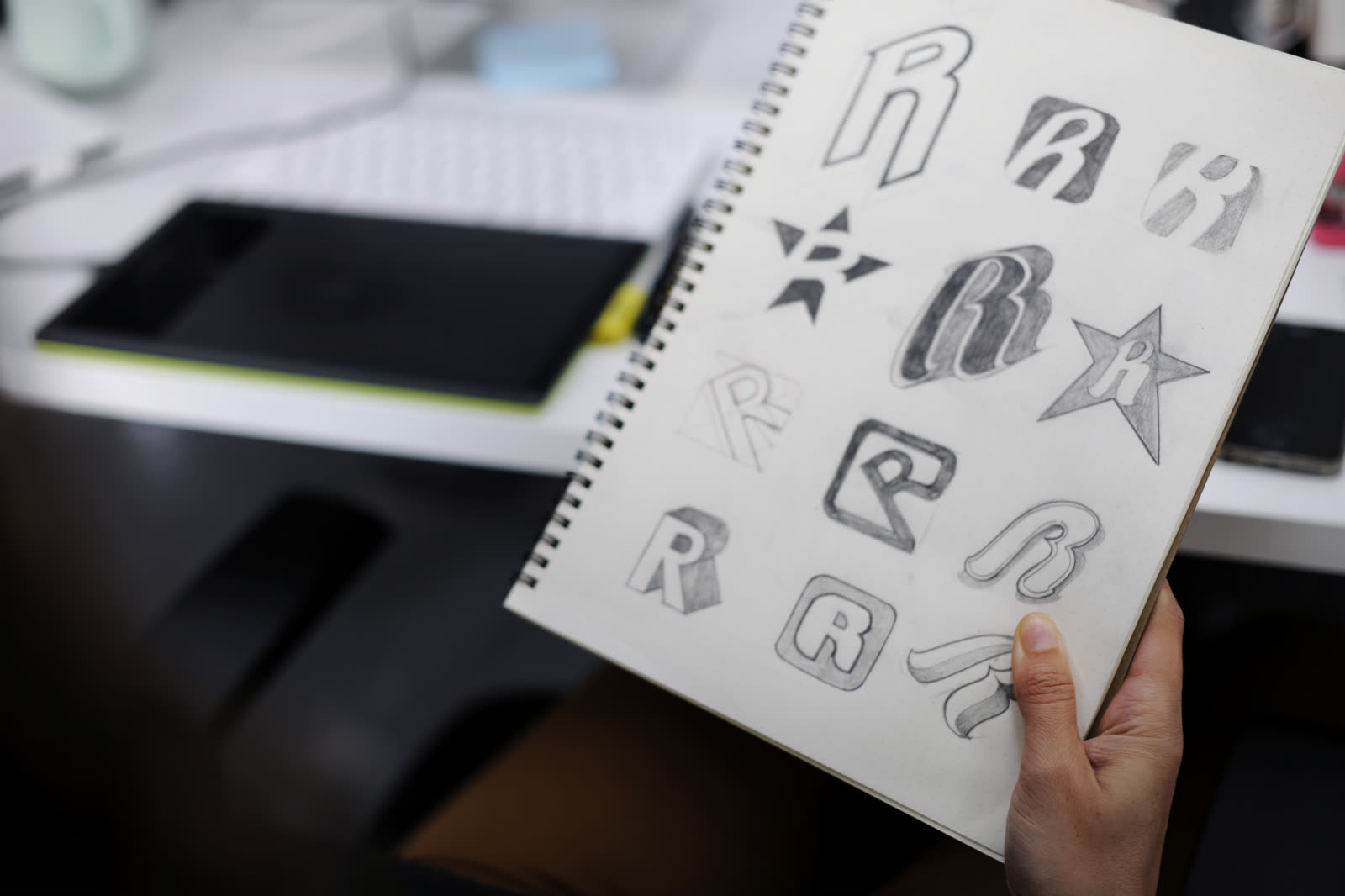
What does a logo design cost for a small business?
Quick answerLogo design for a small business typically runs from free with a DIY tool, to a few hundred dollars for a freelancer, to a few thousand for an agency or branding studio. The right tier depends on how much the logo has to carry: a side project can often start with DIY, while a business building a real brand around its name usually gets more value from a designer who asks questions before drawing anything.
Ask five business owners what they paid for their logo and you'll get five different answers, and none of them will sound related to each other. One person used a free app on their phone. Another paid a few hundred dollars to a freelancer they found online. A third paid a few thousand to a branding studio and got a whole system out of it, not just a logo.
All three can be the right call. It depends less on your budget alone and more on what the logo actually has to do for your business right now.
DIY logo tools: free to about $50
Tools like Canva, Looka, and similar generators let you build a logo yourself in an afternoon, often for free or a small one-time fee to download the files. You pick a style, plug in your business name, and adjust colors and fonts until something looks right.
The upside is speed and cost. The downside is that you're working from a template, and templates get reused. Your logo may end up looking close to another business that used the same tool with different colors. For a brand-new business that needs something presentable today and can revisit branding later, that trade-off is often worth making.
Freelance designers: roughly $300 to $2,500
This is where most established small businesses land. A freelance designer works with you directly, usually over a short back-and-forth: a few concepts, a round or two of revisions, and finished files in the formats you need for your website, signage, and print materials. Pricing tends to scale with the designer's experience and how much custom work goes into it.
A good freelancer will ask what your business does, who it's for, and what feeling you want people to have when they see your name, before they open a design program. That question-first approach is usually the difference between a logo you like and a logo that actually fits.
Agencies and branding studios: roughly $2,000 and up
At this tier, you're paying for more than a mark. A branding studio typically delivers a full identity system: primary and secondary logo versions, a defined color palette, approved fonts, and guidelines for how everything gets used consistently across your website, packaging, vehicle wraps, or storefront. Some projects go further into naming, messaging, and full brand strategy.
This level makes the most sense for a business that's scaling, opening additional locations, or rebranding after years of inconsistent materials, where a documented system saves real time and prevents your look from drifting a little differently every time someone new touches it.
What actually changes the price within a tier
Inside any of these ranges, a few things move the number up or down: how many initial concepts you're shown, how many rounds of revisions are included, whether the price covers just a logo or a broader brand kit, and how experienced the designer is. None of that is a red flag on its own. It's worth asking upfront exactly what's included so you're comparing quotes that are actually comparable, the same way you would with website pricing.
How to decide what's right for your stage
A useful way to think about it: match the investment to what the logo has to carry. If you're testing an idea or just getting off the ground, a DIY or low-cost freelance option lets you look legitimate without overcommitting before you know the business will stick. If you already have customers, a physical location, or a name people recognize, a professional design (freelance or agency, depending on scope) protects something that's already worth protecting.
If you're also hiring outside help for the first time, it's worth reading what to actually expect when you hire a local agency before you sign anything, logo project or otherwise.
The honest part
A logo isn't magic, and no price tag guarantees you'll love the result. What a fair price gets you is a process: someone who asks the right questions, shows you real options, and hands over files you can actually use everywhere you need them, from your website to your storefront sign.
If you're not sure which tier makes sense for where your business is right now, tell us what you're working with and we'll tell you plainly, even if the answer is DIY for now. When you're ready for something custom, we'll put together a clear quote for exactly what your business needs.
Frequently asked questions
Is a free DIY logo maker good enough for a small business?
It can be, especially for a brand-new business that just needs something presentable while it gets moving. The trade-off is that DIY tools work from templates, so your logo may resemble other businesses using the same generator, and you sometimes have to pay separately to get the actual usable files.
What's the difference between a freelancer and an agency for logo design?
A freelancer is usually one designer handling your project directly, which tends to be faster and more affordable. An agency or branding studio brings a team, a more structured process, and often ties the logo into a fuller brand system: color palette, typography, and usage guidelines. You're paying for that structure, not just the mark itself.
Should a small business spend more on a logo or on other marketing?
For most small businesses just starting out, a clean, professional logo at a reasonable price and a working website that actually brings in customers matters more than an expensive logo alone. A logo is one piece of a bigger picture, not the whole picture.