How to take better photos of your business with just a phone
Quick answerShoot near natural light, clear the clutter from the background, get closer than feels natural, and take more shots than you think you need in both landscape and portrait. A phone handles day-to-day business photos just fine when you get those basics right.
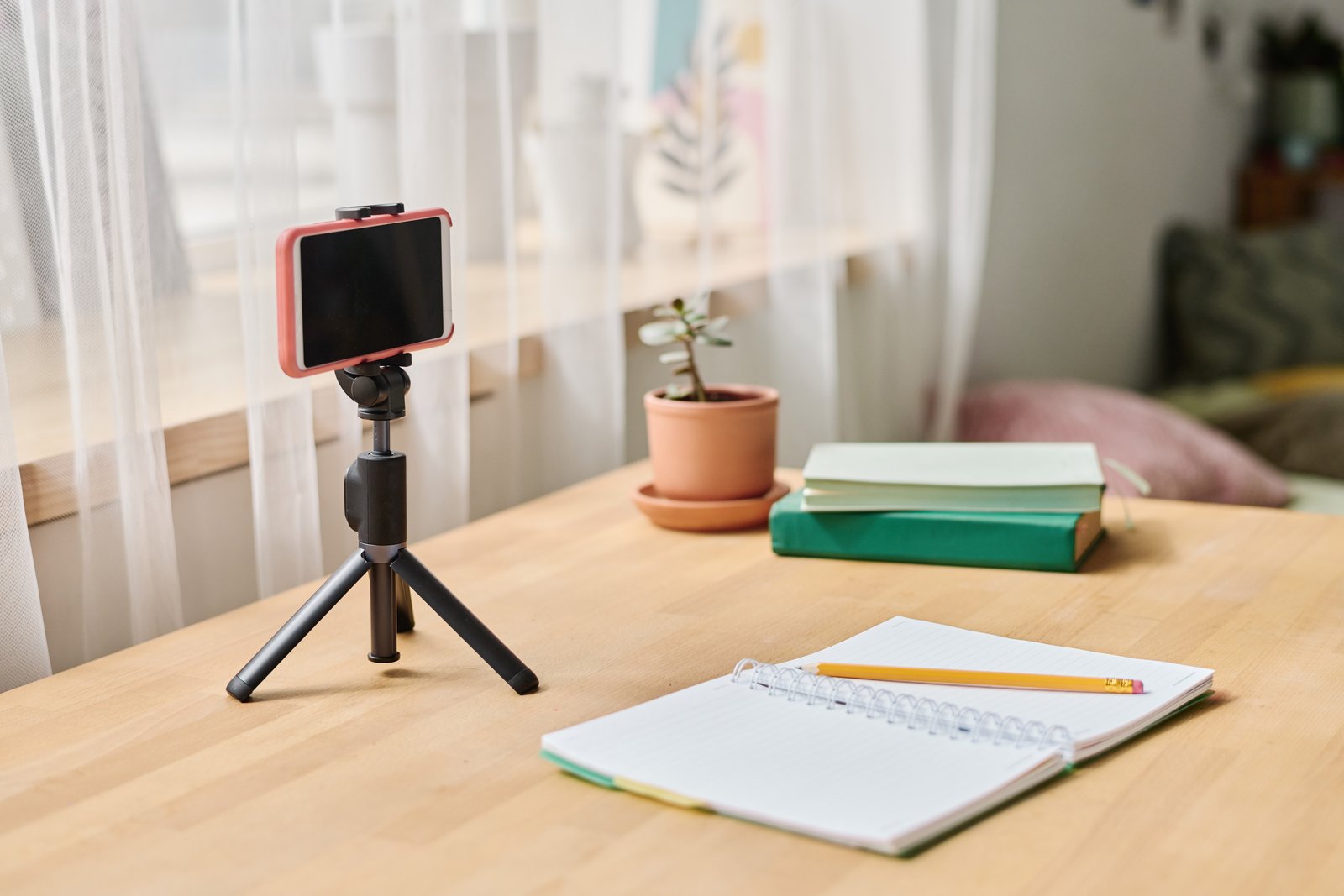
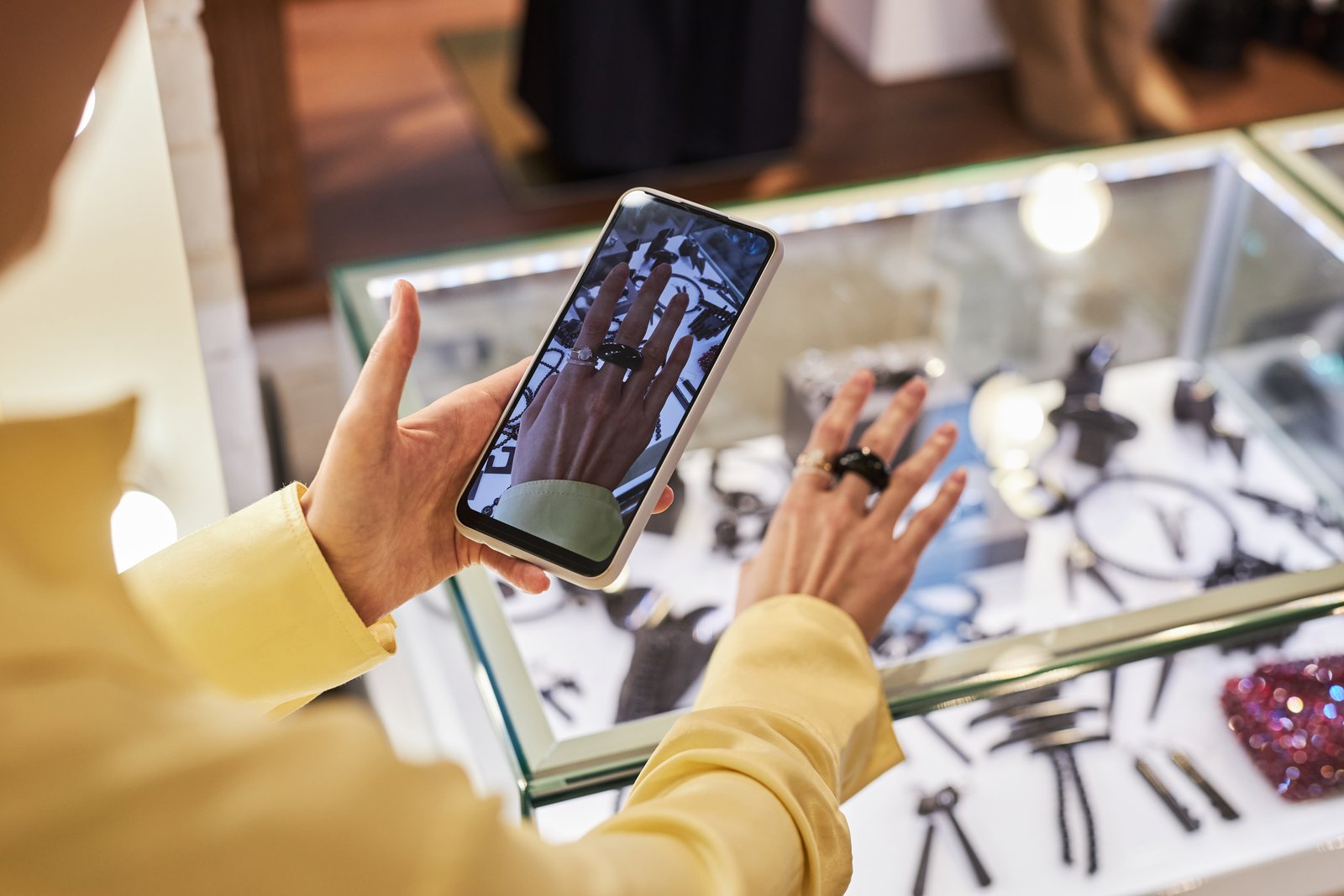
You don't need a professional camera or a photographer on retainer to get photos that make your business look good online. The phone in your pocket is good enough. What actually separates a flat, forgettable photo from one people stop scrolling for is light, angle, and a little bit of care, not equipment.
That matters because real photos beat stock photos almost every time. A generic image of a smiling stranger in an apron tells a customer nothing about your actual shop in OKC or Tulsa. A real photo of your real counter, your real product, your real team does the work stock never can: it proves you exist and shows what they'll actually get.
Light first, camera second
Good light does more for a photo than any setting on your phone. Natural light is your best friend: a window, an open door, an overcast day outside. It's soft, even, and flattering in a way that harsh overhead lighting or a built-in flash almost never is.
Shoot near a window during the day whenever you can, with the light coming from the side rather than straight behind your subject. If you're photographing a product, morning or late afternoon light tends to be softer than the middle of the day. If a shot looks dim or yellow indoors, move closer to a window before you reach for any editing app.
Clear the background
A great subject in a cluttered background still reads as messy. Before you shoot, take ten seconds to look at what's behind and around whatever you're photographing. Move the stray boxes, wipe the counter, tuck away the cords.
Plain, simple backgrounds make the subject the star. A product on a clean counter or a plain table reads as professional. The same product surrounded by clutter reads as an afterthought, even if the product itself is great.
Get close, then get closer
Most people photograph from too far away out of habit. Fill the frame with your subject. If you're shooting a product, get close enough that the details, texture, and label are actually visible. If you're shooting food, get close enough that someone can tell what it tastes like just by looking.
Try a few distances for the same shot: one from where you'd normally stand, one noticeably closer, one closer still. You'll usually like the closest one best. Phone cameras are sharp enough now that you rarely need to back away for a shot to look clean.
Shoot both ways, and shoot a lot
Landscape and portrait aren't interchangeable, and knowing which one you'll need before you shoot saves you from cropping awkwardly later. Wide shots of your storefront or a group of your team tend to work better in landscape. Single products, single people, and anything meant for a phone screen tend to work better in portrait.
When in doubt, shoot both. Take several photos of the same subject from a couple of angles and both orientations, then pick the best one later. Storage is cheap and your time reviewing ten photos is a lot less than the time you'd spend trying to make one mediocre shot work. This is also where it helps to know how these photos actually get used across your social accounts: a shot meant for a square post looks different than one meant for a full-width banner, and shooting a few options up front means you're never stuck cropping the one photo you have.
Don't forget your storefront and your team
Products and food get most of the attention, but two shots get skipped constantly and shouldn't be: the front of your business and the people who work there. A clean, well-lit photo of your storefront, sign, and entrance tells a new customer exactly what to expect and where to go. It's one of the simplest trust-builders you have, and most owners never bother to update it.
A few genuine photos of your team, at the counter, mid-task, actually smiling, do more for how approachable your business feels than almost anything else you can post. People connect with people. A logo and a product shot are useful, but a real face behind the counter is what makes a stranger feel comfortable walking in.
Make it a habit, not a one-time project
The businesses with the best photo libraries didn't get there in one big photo shoot. They took a few minutes every week: a new product when it came in, the team on a slow afternoon, the storefront on a nice day. Little and often beats one exhausting session that never gets repeated.
If you're not sure how often to shoot or what to post when, a simple content calendar takes the guesswork out of it so you're not staring at your camera roll wondering what to share this week.
The honest part
None of this replaces a real camera and a real photographer for the shots that matter most, like a big rebrand or a print ad. But for the day-to-day photos that fill your website, your Google Business Profile, and your social accounts, a phone and a little attention to light and background will get you further than most local businesses ever bother to go.
Keeping it up every week is the part that's hard to sustain on your own, and that's exactly the kind of thing we handle. Tell us what you need and we'll help you figure out what's worth doing yourself and what's worth handing off, with a clear quote for the rest.
Frequently asked questions
Do I need a real camera to get good photos of my business?
No. For everyday photos of products, your storefront, and your team, a modern phone camera is plenty. A real camera and photographer are worth it for a big rebrand or a print ad, but not for the photos you post every week.
What's the single biggest mistake owners make with phone photos?
Shooting in poor light, usually overhead indoor lighting or a flash. Moving near a window or shooting outside on an overcast day fixes most photo problems before you even touch an editing app.
Should I use stock photos instead if my own photos aren't great?
Real photos of your actual business almost always work better than stock, even when they're not perfectly polished. A real photo proves you exist and shows customers what they'll actually get, which stock photography can't do.