Why short videos are the fastest way to grow a local business right now
Quick answerShort, phone-shot video works for local businesses because it's fast to make, feels authentic instead of polished, and social platforms tend to show it to more people than photos or text. A simple five-video framework (before-and-after, customer story, how-it-works, staff intro, FAQ answer) gives any owner a repeatable rotation instead of guessing what to film next.
Ask a handful of small business owners what's actually working for them in marketing these days, and video comes up more than anything else. Not a produced commercial with a script and a crew, just a short clip shot on a phone, posted, and moved past in the feed within seconds. That's not a fluke of the algorithm. It's a fairly direct reflection of how people decide where to spend money these days: they want to see the real thing before they call.
Why a phone and a clear idea beat a polished ad
People scroll fast. On Instagram, Facebook, and TikTok, the platforms are built around short video, and they tend to show it to more people than a photo or a plain text post gets. That's true whether the clip cost five dollars or five thousand to make.
What tends to work isn't the production value, it's the specificity. A fifteen-second clip of an actual job, an actual product, or an actual person at your business almost always outperforms something that looks like a stock ad, because it looks like proof instead of a pitch. Local customers aren't comparing you to a national campaign. They're deciding whether to trust the business two miles away, and a real, slightly rough video does more for that than a polished one.
None of this means video replaces the rest of your social media presence. It's one piece of a mix that still needs photos, posts, and a consistent posting habit behind it. It just happens to be the piece most local businesses in OKC and Tulsa are still leaving on the table, usually because filming feels like one more thing on an already full plate, not because it doesn't work.
The good news is that video doesn't require a plan you have to sit down and write out. Most of the raw material already happens during a normal workday. The trick is noticing the moment it's happening and pulling your phone out for fifteen seconds before you move on to the next task.
A five-video framework you can run on repeat
The hardest part of video isn't filming, it's knowing what to film next. These five types cover most of what a local business needs to say, and you can rotate through them instead of staring at a blank idea list.
1. Before-and-after. Anything with a visible transformation works here: a cleaned car, a mowed yard, a finished remodel, a haircut, a repaired appliance. Film the "before" the moment you arrive and the "after" the moment you're done. It's the easiest video type to shoot and usually the one that performs best.
2. Customer story. This isn't a scripted testimonial ad. It's a quick, unscripted moment: a happy customer picking up their order, a quick "how'd we do" comment, a genuine thank-you caught on camera. Ask permission first, keep it short, and let it feel like what it is.
3. How-it-works. Pull back the curtain on something customers wonder about but never see: how you mix a product, how a quote gets built, what happens between drop-off and pickup. This kind of video builds trust because it shows competence without you having to say a word about it.
4. Staff intro. A quick clip introducing the person who answers the phone, does the work, or runs the counter. People trust businesses they can put a face to, and a thirty-second intro does more for that than any amount of copy on an About page.
5. FAQ answer. Take a question customers ask you constantly, whether about pricing, timing, or how something works, and answer it on camera in under a minute. It gives you content and does real customer service work at the same time, since it answers the question for the next ten people who were about to ask it too.
Making it a habit instead of a burst
Five video types isn't a to-do list for one week. It's a rotation. Pick one, film it when the moment naturally comes up during your normal workday, and post it. The following week, pick a different one. This fits naturally alongside a simple posting habit like the 3-3-3 rule for social media: rotate your content types, keep the pace modest, and let it compound instead of trying to do all five at once and burning out by week two.
Some owners find it easier to batch a little: spend twenty minutes on a slow afternoon capturing two or three clips at once, then space them out over the following weeks instead of posting the day you film. Either approach works. What matters is that the rotation keeps turning, not that every video goes out the same day it's shot.
If editing isn't something you want to learn, that's a reasonable place to hand off. Filming the raw clip on your phone takes a minute, but turning a folder of clips into something worth posting every week is where most owners run out of time. That gap between "I have footage" and "I have a posting schedule" is exactly what our video editing work covers, whether that means trimming clips down, adding captions, or building out a few weeks of posts at once.
The honest part
Video isn't a shortcut, and one good clip won't change your business by itself. What it does is give people one more reason to trust you before they've ever walked in the door, and that adds up the same way reviews and consistent posting do: slowly, and only if you keep at it.
If you'd rather film the raw footage and let someone else handle turning it into a steady rotation of posts, tell us what you're working with and we'll help you figure out what actually fits your business and your time.
Frequently asked questions
Do I need a real camera to start doing video marketing?
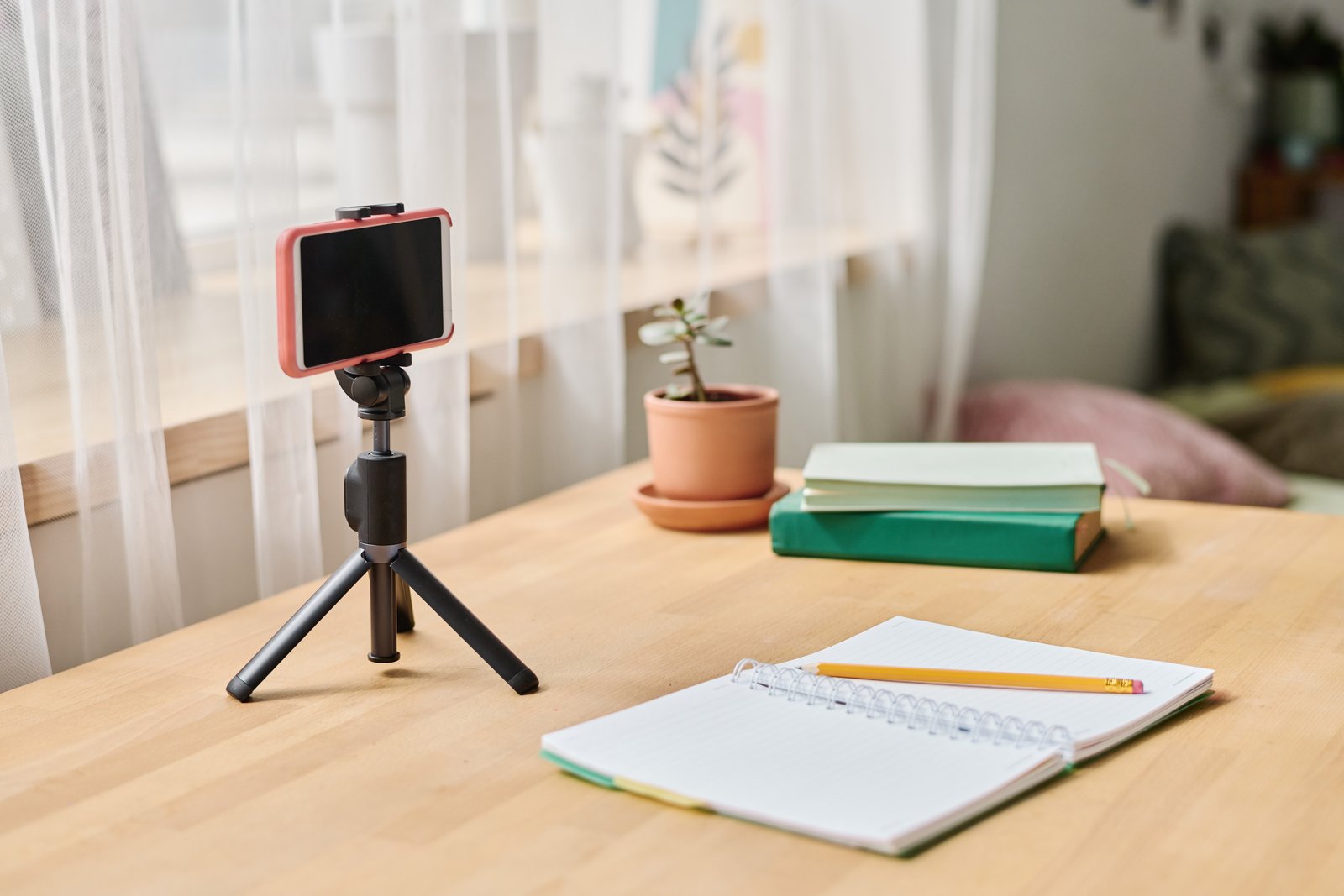
No. A recent phone shoots more than well enough for social video, and the platforms themselves are built around phone footage. A tripod or a small stand to keep the shot steady is a better investment than a camera.
How long should a short video be for a local business?
Somewhere between 15 and 60 seconds covers most local-business content well. Short enough that people watch the whole thing, long enough to actually show or explain something.
What if I'm camera shy or don't want to be on camera myself?
Plenty of the five video types don't require you personally on camera. Before-and-afters, how-it-works clips, and FAQ answers can all be shot over hands and work in progress, with your voice or on-screen text doing the talking.