Full replacement
Post-hail full replacement
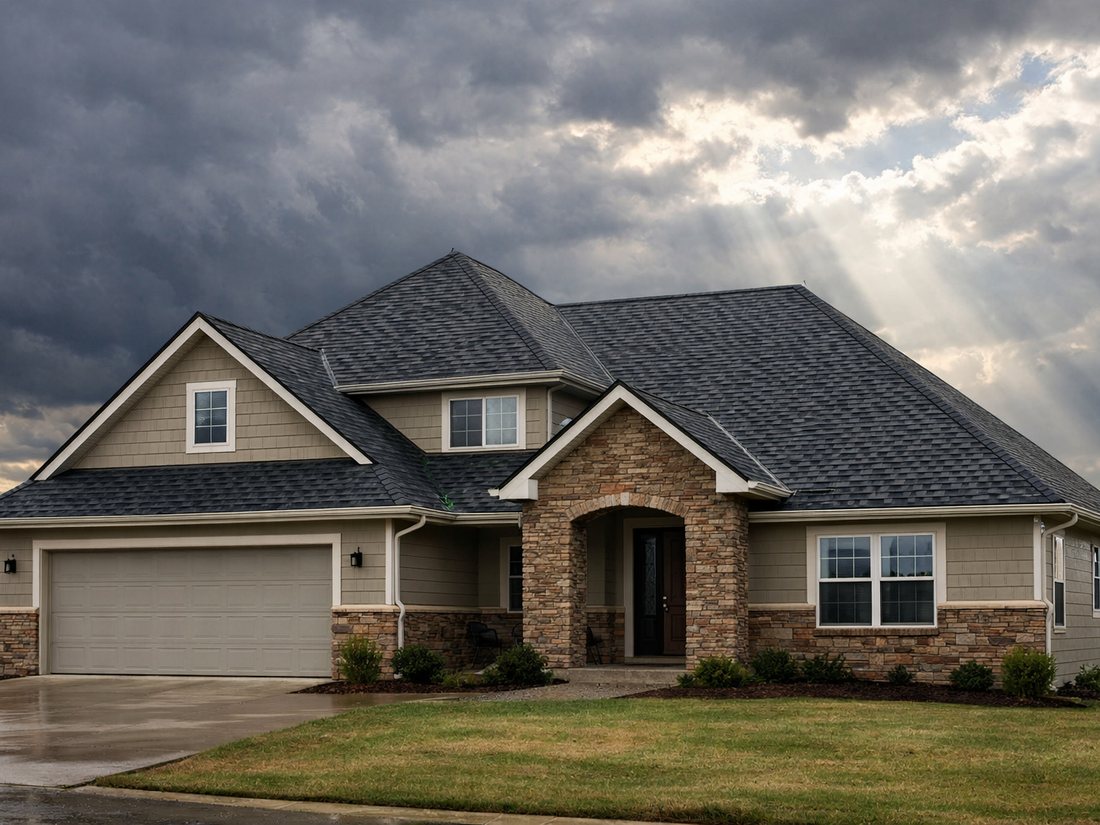
A hailstorm ended this roof early. We documented the damage, walked the owner through the claim, and installed a system built to shed the next one.
Our work
Finished jobs across the metro, with the scope, the material and the area on every one. Filter by the kind of work you need or by where you are, and see what that job actually looked like.
Full replacement
A hailstorm ended this roof early. We documented the damage, walked the owner through the claim, and installed a system built to shed the next one.
Standing seam
An owner tired of storm-season repairs moved up to standing-seam steel. Long service life, and far fewer weak points for wind to find.
Repair
Not every roof needs replacing. The damage here was contained, so we said so and repaired it properly: matched shingles, hand-nailed courses, resealed flashing.
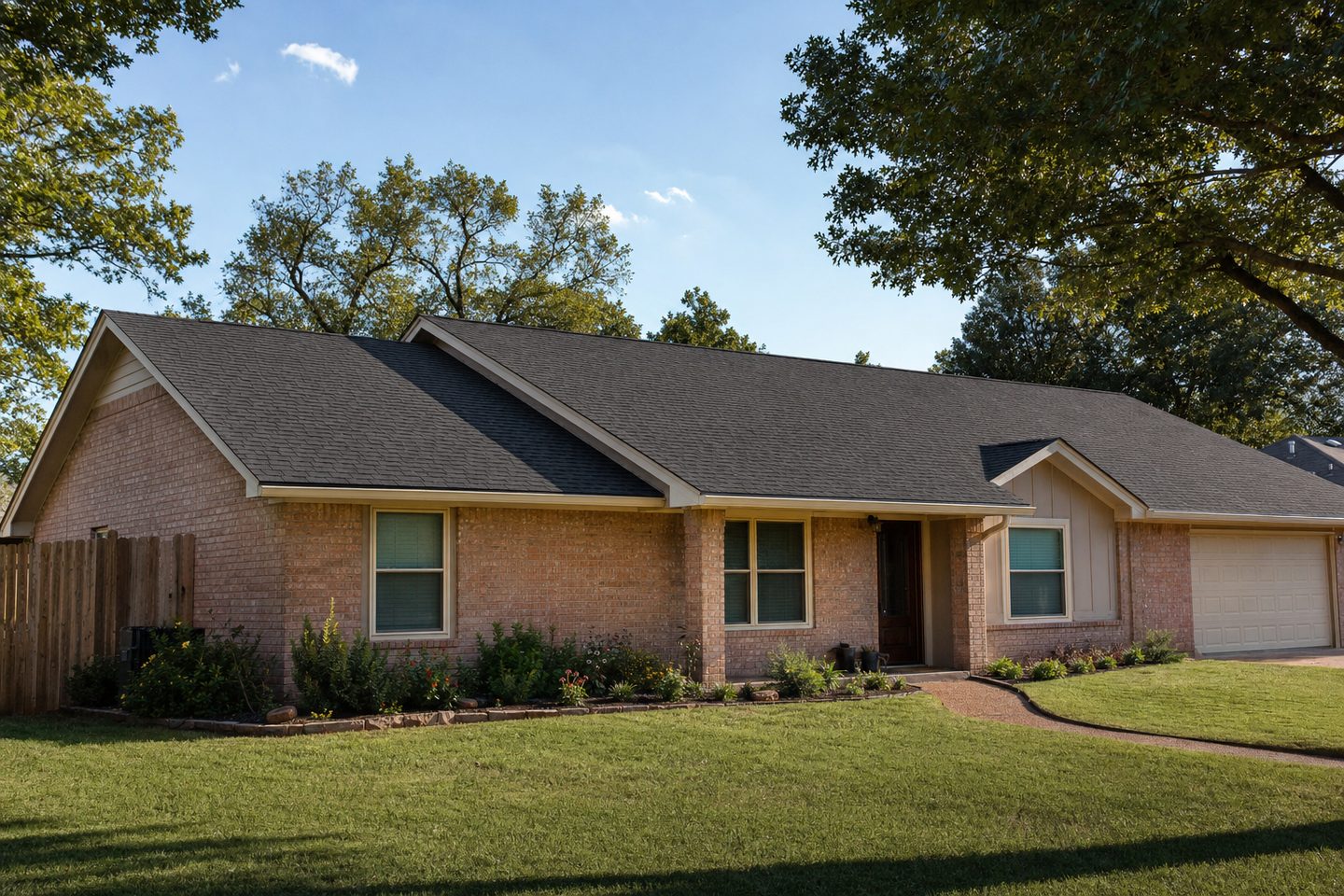
Full replacement
The shingles still looked passable from the kerb, but the underlayment and flashing were finished. We replaced the system rather than the surface.
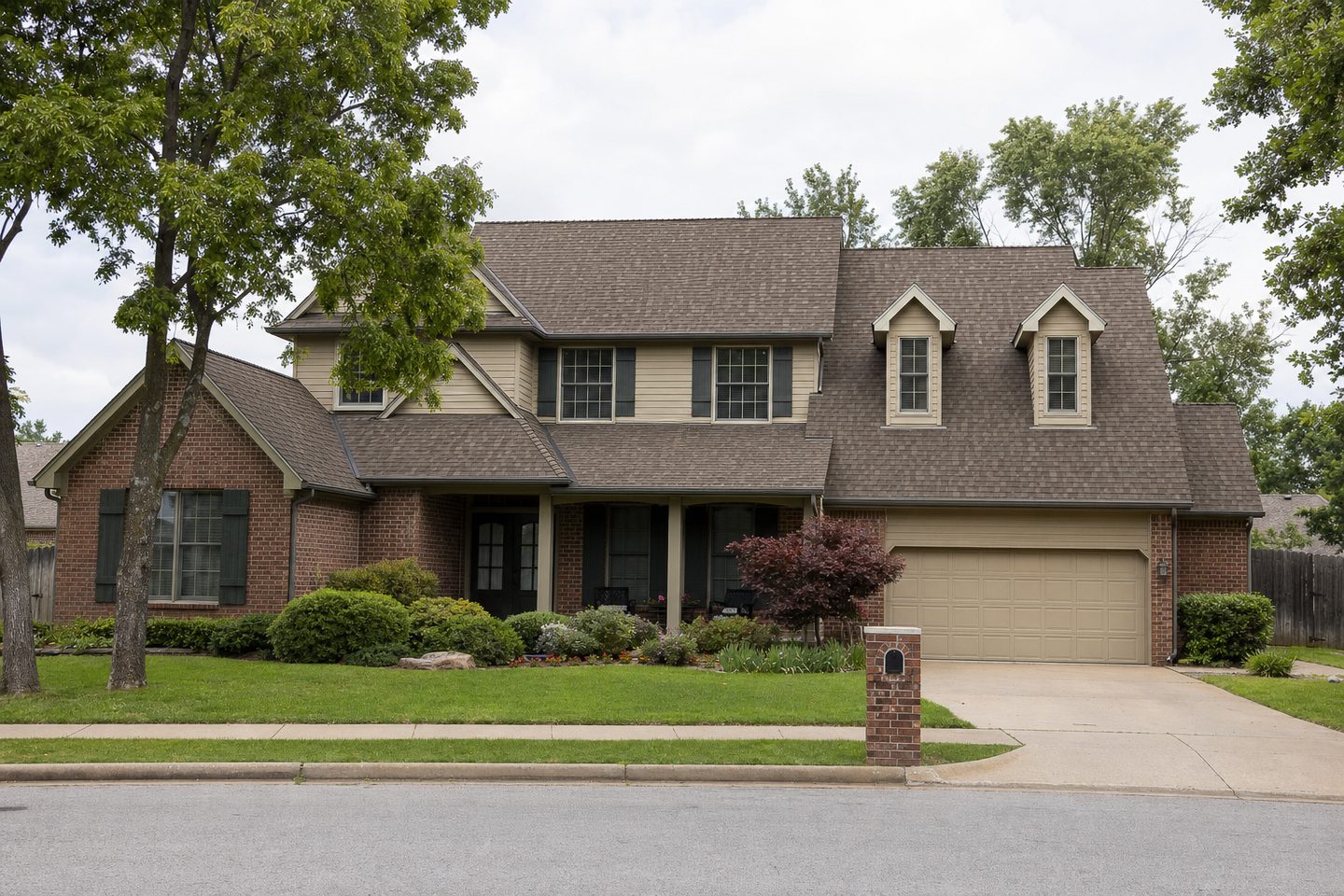
Full replacement
Multiple planes, two dormers, and four valleys. The complicated roofs are the ones where flashing detail decides whether it lasts.
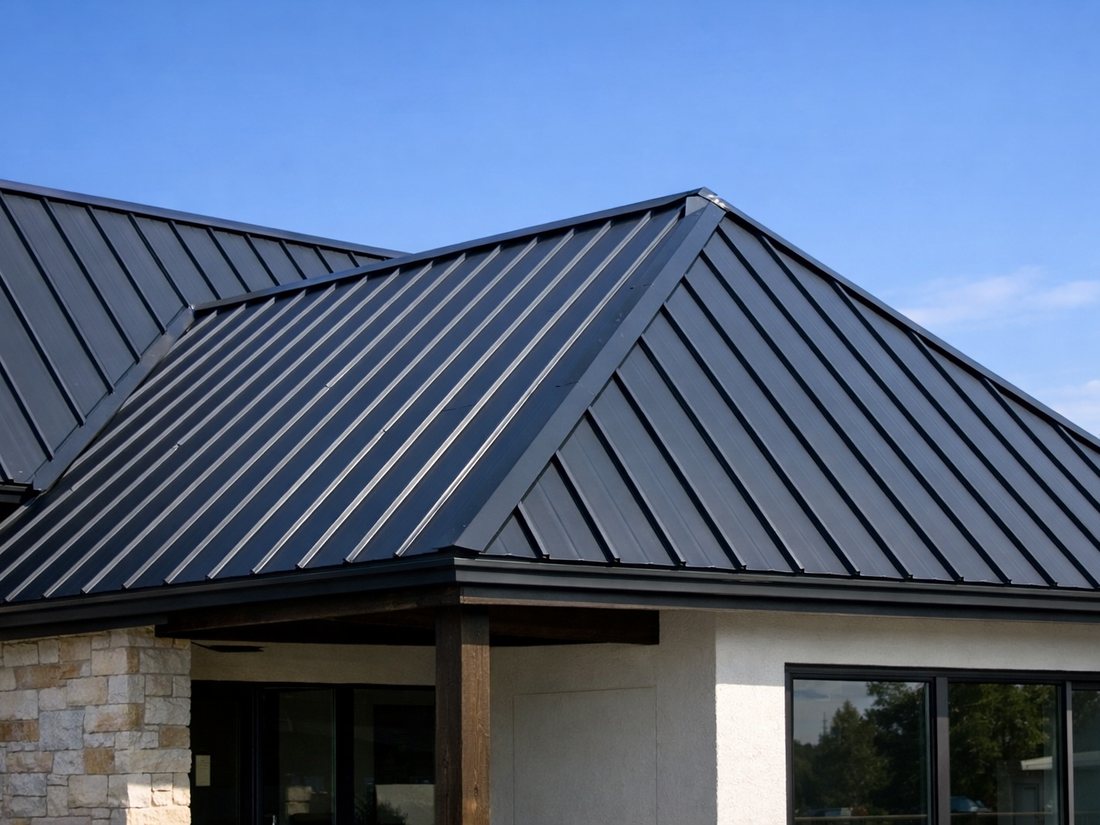
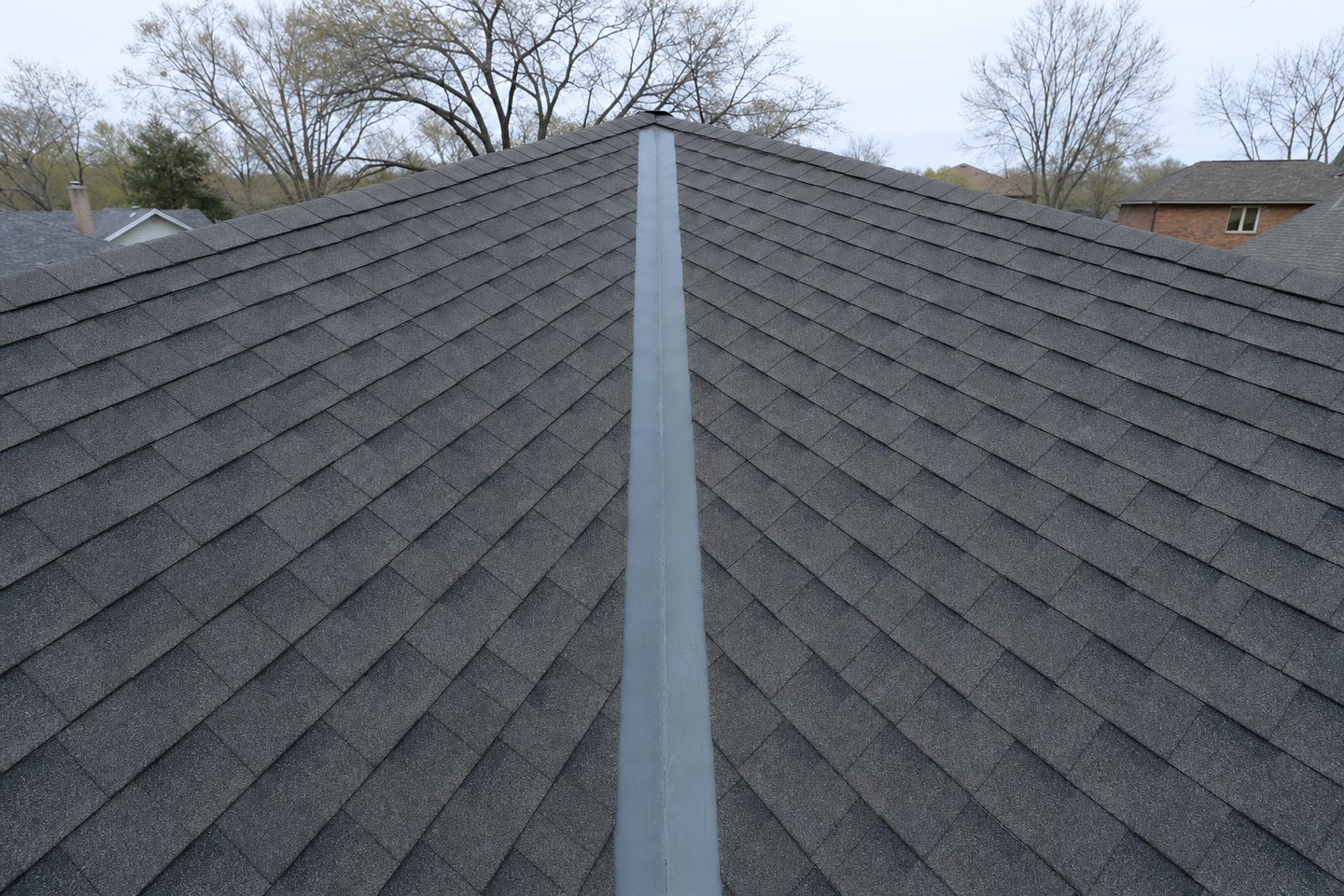
Standing seam
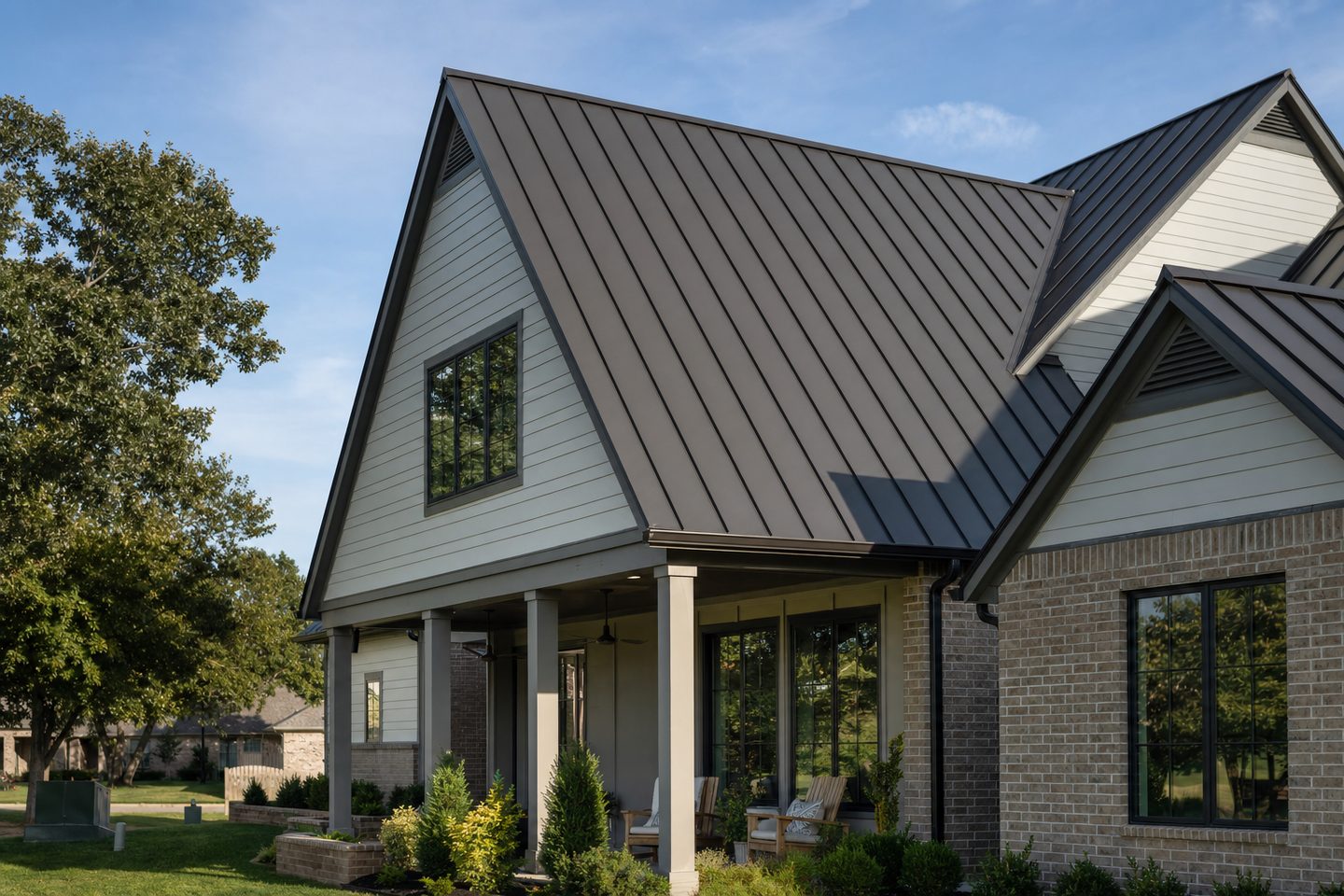
A steep gable in bronze standing seam. Fewer fasteners exposed to the weather means fewer things for a spring storm to work loose.
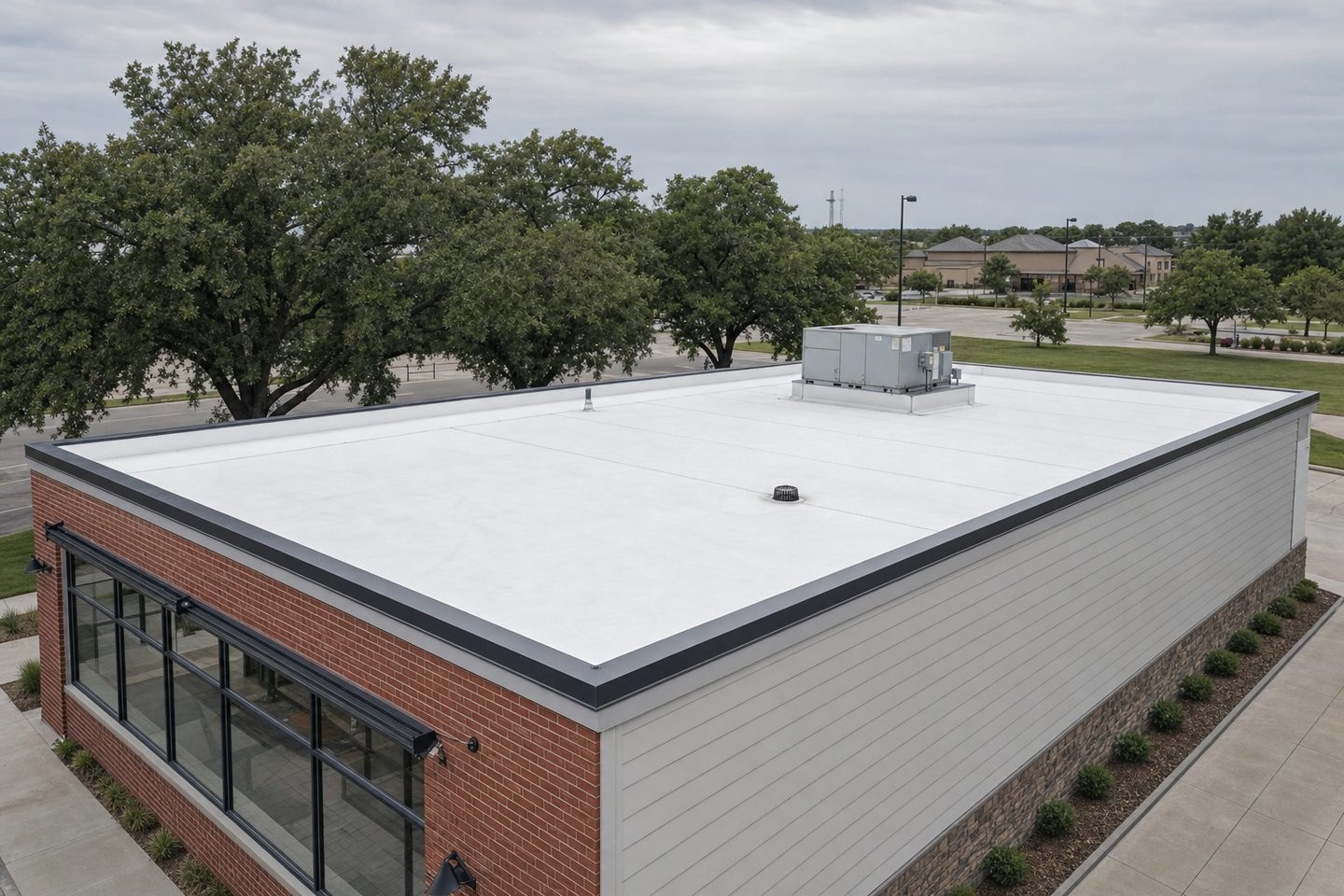
Commercial
A small retail building with ponding at two drains and failing seams. New membrane, re-set drains, and the equipment curbs flashed properly.
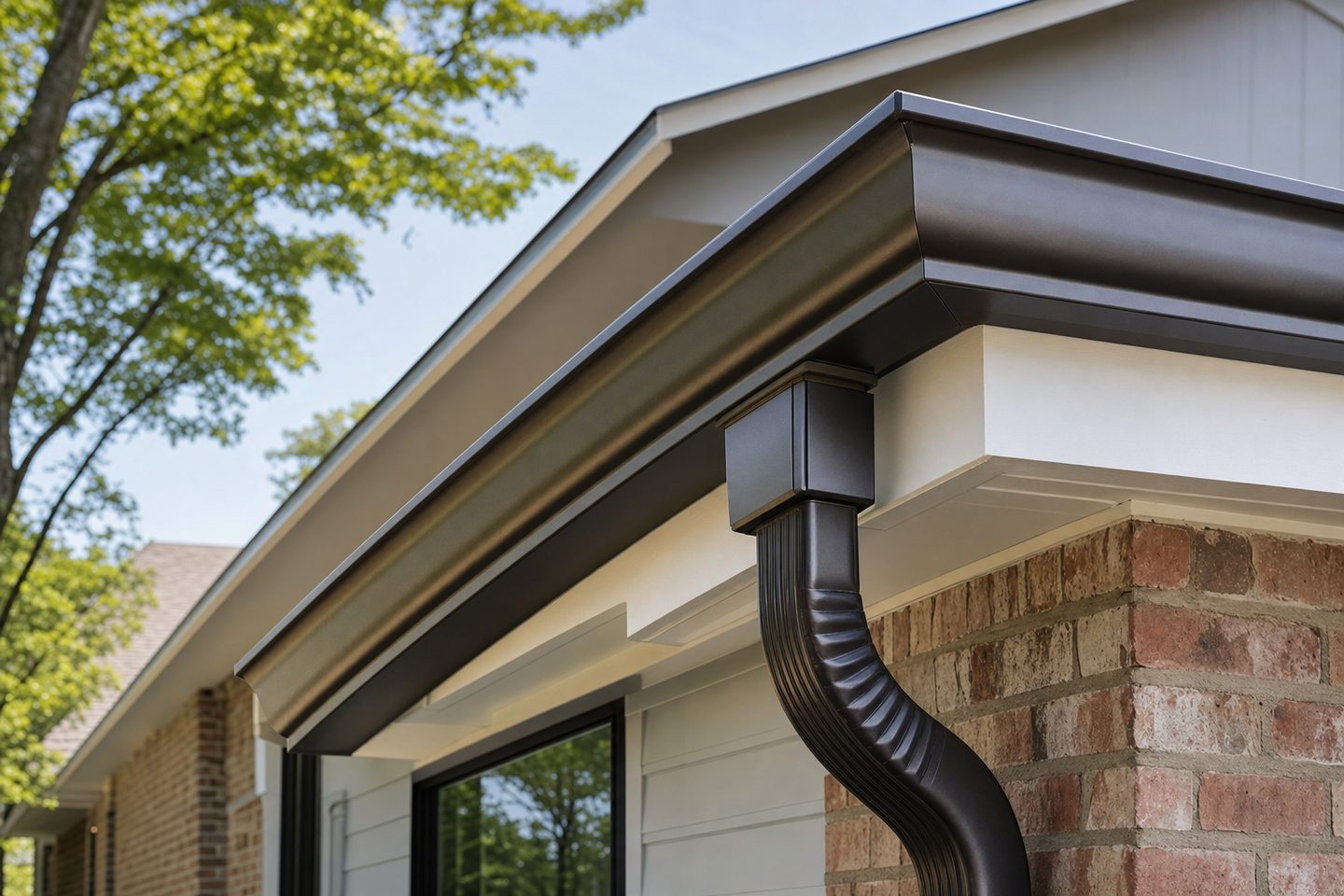
Gutters
The original gutters overshot in any serious rain and dumped it at the foundation. Wider run, more outlets, discharge carried well clear.
Valley rebuild
Water had been running under the valley for at least a season. We opened it up, replaced soft decking, and rebuilt it with new membrane and metal.
Emergency
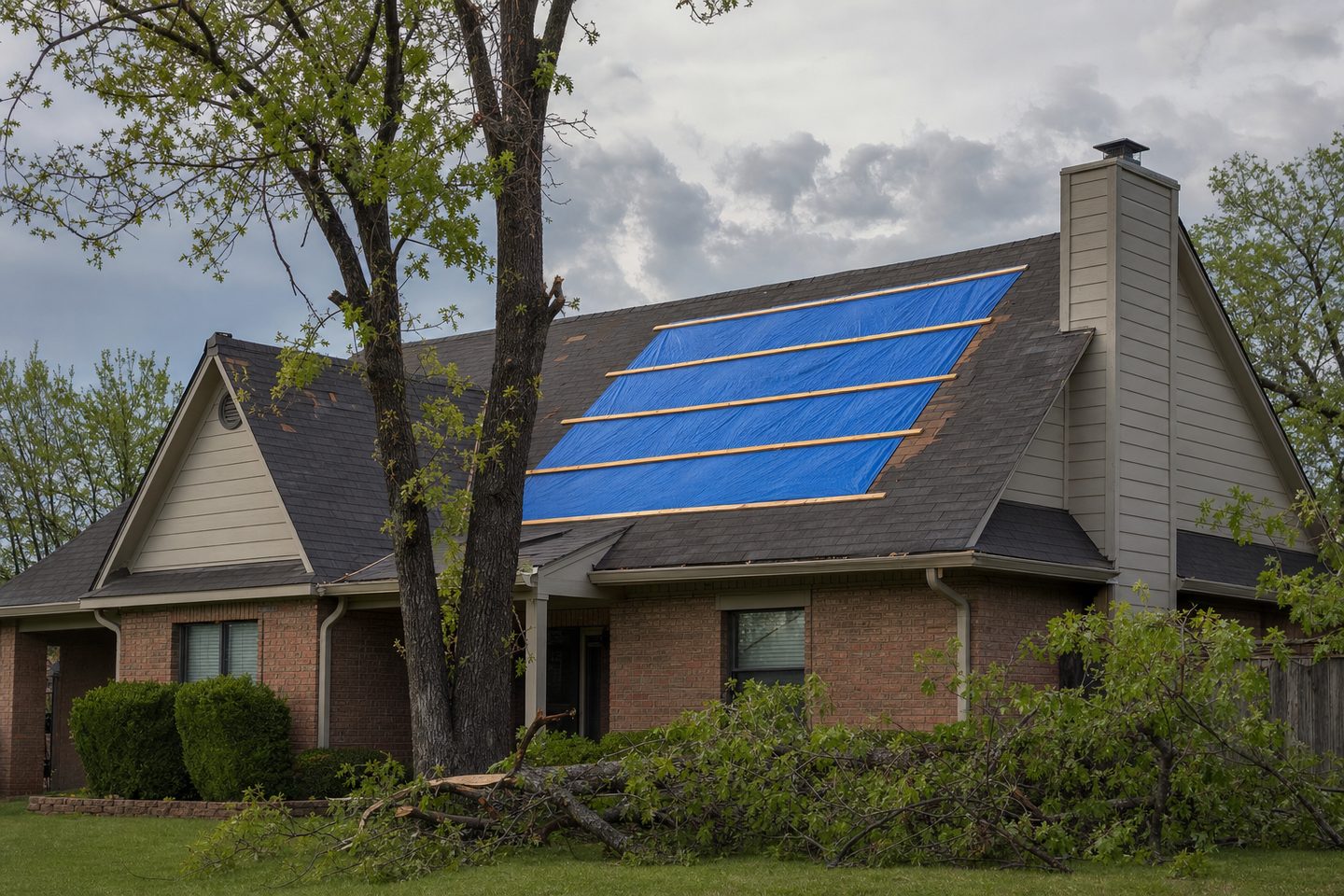
Wind took a section off and the forecast had more coming. We tarped it before anything else, then did the inspection and documentation once it was dry.
Flashing
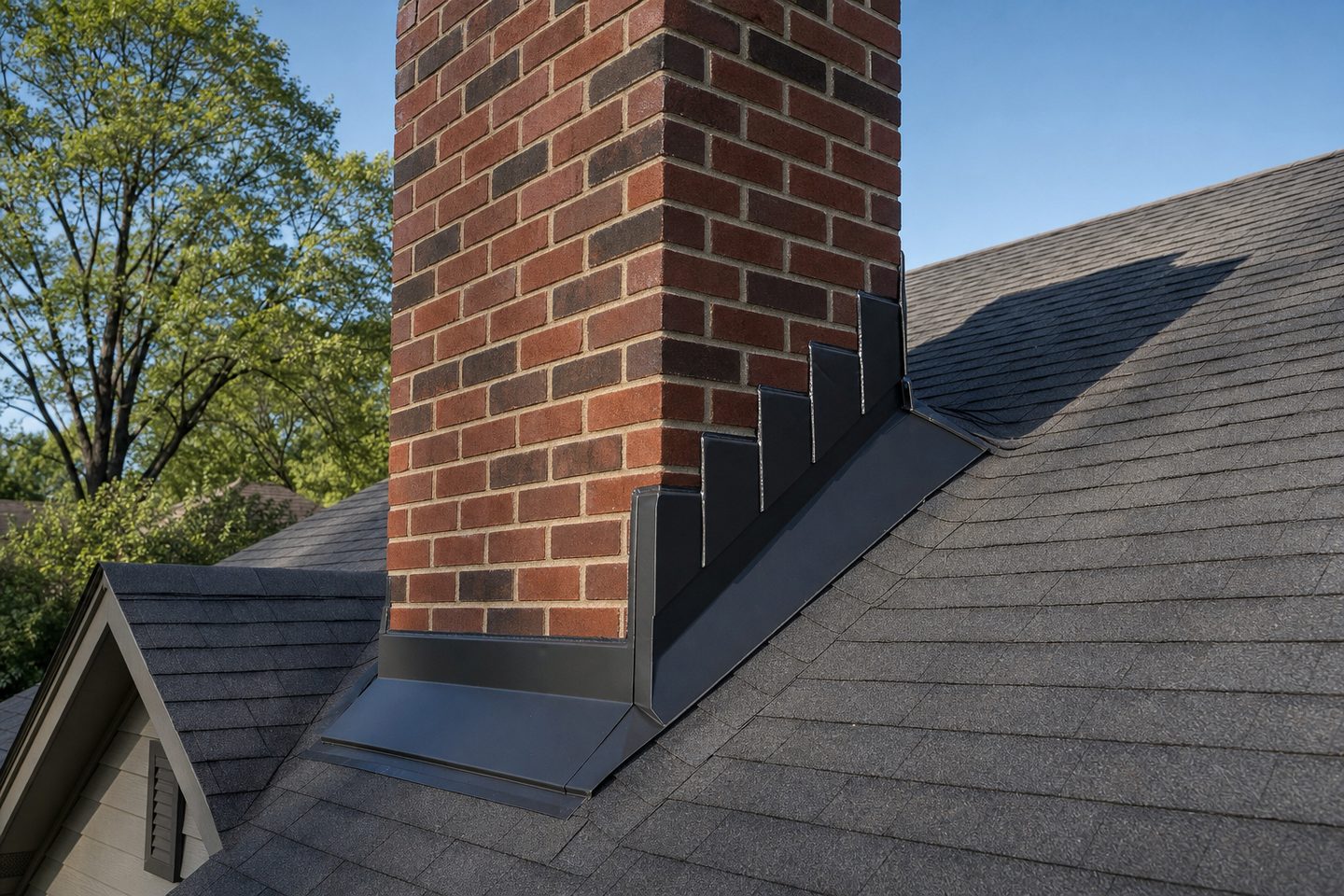
Three previous attempts had been sealant over sealant. The fix was step flashing and counter-flashing cut into the mortar, the way it should have been built.
Storm claim
The first inspection missed the north slope entirely and the claim was denied. We documented every slope, the owner requested a reinspection, and the scope came back corrected.
No projects match that combination yet. Clear a filter, or ask us about work like it.
Case studies
A photograph shows you the result. These are the ones where the decision mattered more than the finish.
Commercial · Oklahoma City
The owner had been buying a patch every spring and still had two stained ceiling tiles. The seams were the symptom. The real problem was that water had nowhere to go once it reached the low corner.
Ponding at both drains, failed seams across the north half, and rooftop equipment curbs that had never been flashed.
Patching the seams again would have bought another season. We priced a full membrane replacement against three more years of patching, and the replacement won.
New TPO across 6,400 square feet, both drains re-set to actually sit at the low point, and every curb flashed and terminated properly.
No standing water after the first heavy rain, and the ceiling tiles came out for the last time.
Repair · Oklahoma City
Every wet spring the ceiling below the chimney stained again. Each previous visit had added another bead of sealant over the last one, which buys a year at most.
No step flashing at all behind the brick. The whole junction was relying on surface sealant, which had cracked in three places.
There is no sealant fix for a missing flashing. We quoted it as a rebuild rather than another repair and explained why the cheaper option had already failed three times.
Opened the roof back from the chimney, installed step flashing course by course, and cut counter-flashing into the mortar joint so water is shed, not blocked.
A junction that sheds water by geometry instead of by sealant, so nothing has to be redone next spring.
Storm · Moore
Wind stripped a section on a Thursday with more weather forecast for the weekend. The carrier's first inspection covered the front of the house and the claim came back denied.
The damage was concentrated on the north slope, which the first inspection had not walked. The front of the house genuinely did look fine.
Tarp first, argue later. We stabilised the opening the same afternoon, then documented all four slopes with photographs and measurements.
The owner submitted the documentation and requested a reinspection. We met the second adjuster on the roof and walked the north slope with them.
The scope came back corrected and the roof was replaced. The owner filed the claim and made every decision on it. We handled the roof.
Get started
Book a free inspection and get an honest recommendation, whether that is a repair, a replacement, or nothing at all right now.